
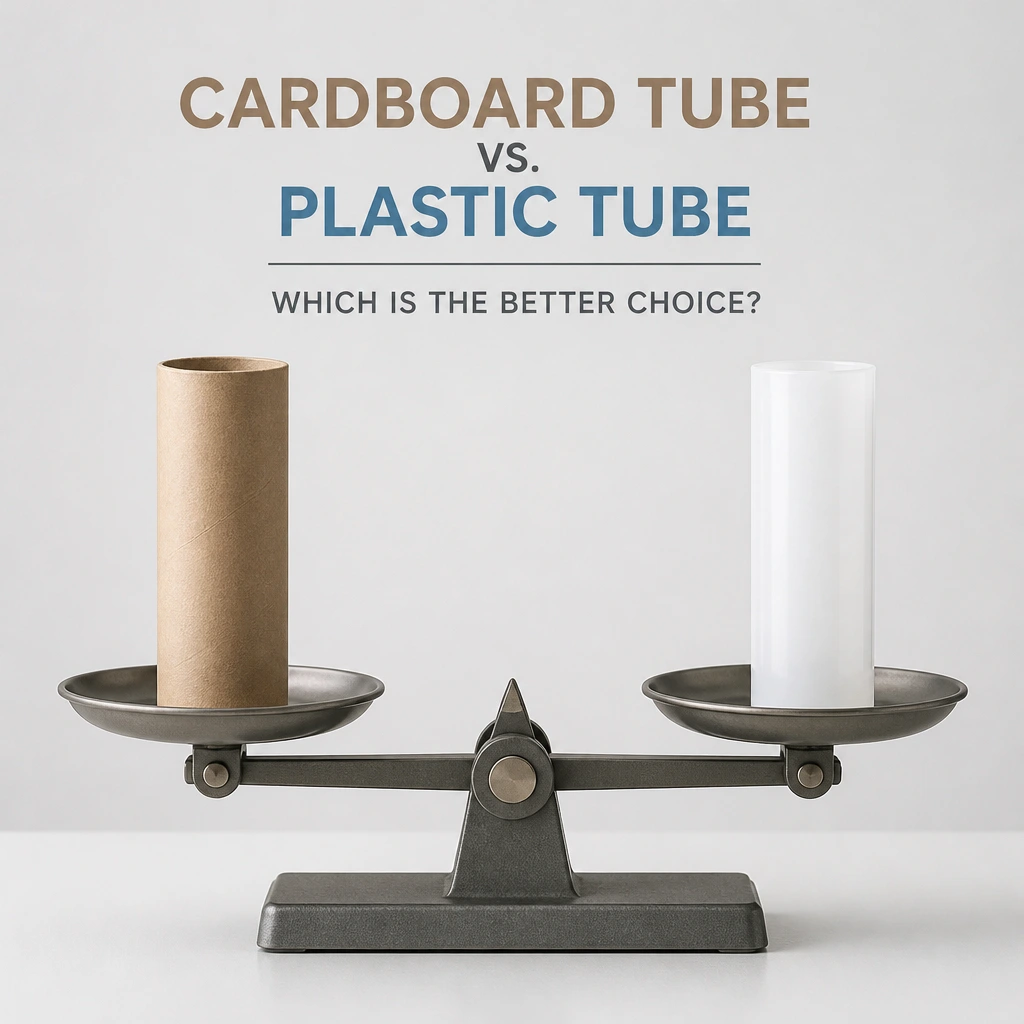
If you’ve noticed packaging costs creeping up this year, you’re not imagining it. Since October 2025, UK businesses have started receiving their first invoices under the government’s new Extended Producer Responsibility (EPR) scheme for packaging. For anyone shipping posters, prints, sample tubes, or bespoke products, this is a good time to revisit how you’re packing your goods. The material you choose now directly affects what you pay.
The short version: cardboard is rated favourably under EPR, plastic generally isn’t. If you’re still shipping in plastic mailers, tubing, or bubble-lined packaging, it’s worth understanding why switching to cardboard could soften the blow to your bottom line.
What Is Packaging EPR, in Plain English?
EPR shifts the cost of collecting and recycling packaging waste away from local councils and onto the businesses that put that packaging into the environment. If your company supplies packaged goods in the UK and meets the turnover and tonnage thresholds, you’re likely an “obligated producer” and will need to report your packaging data and pay fees accordingly.
The bit that matters most for packaging decisions is how those fees are calculated. Rather than a flat rate per tonne, fees are being modulated based on a Recyclability Assessment Methodology (RAM). Packaging gets sorted into a rating system often described as green, amber, or red depending on how easily it can be recycled through existing UK infrastructure. Materials rated green attract lower fees. Materials rated red cost more.
This isn’t legal or tax advice, and thresholds and rules are still being finalised in places, so it’s always worth checking the latest guidance on GOV.UK or speaking to a compliance scheme directly. But the direction of travel is clear enough to plan around.
Where Cardboard Tubes Fit In
Paper and cardboard are widely recognised as easily recyclable materials in the UK, which is why they tend to land in the lower-fee bracket under RAM. Our cardboard tubes are made from 100% recycled fibreboard, and cardboard packaging in general benefits from mature, well-established kerbside recycling routes across the country. Plastic mailing tubes, bubble-lined pouches, and mixed-material packaging tend to sit higher up on the fee scale, particularly where they’re difficult to separate or aren’t widely accepted for recycling.
We covered some of the practical shipping differences in our post on cardboard mailing tubes vs bubble mailers, but EPR adds a financial dimension to that comparison that didn’t exist a year ago. A business shipping posters, prints, or rolled documents in plastic tubing isn’t just carrying a heavier environmental footprint; under the new fee structure, they may well be paying more for the privilege.
It’s Not Just About Avoiding a Higher Fee
Switching to cardboard tubes isn’t only a defensive move against EPR costs. It also tends to align with what your customers already expect. Research on UK unboxing habits has repeatedly shown that shoppers respond well to recyclable, plastic-free packaging, and that impression carries through to repeat purchases. We touched on this in our reducing plastic waste blog. Sustainable packaging was already a brand differentiator before EPR gave it a monetary incentive too.
For businesses shipping in bulk, i.e. subscription boxes, art prints, retail samples, that combination of lower compliance costs and stronger customer perception makes a fairly compelling case to review your packaging spec this year rather than next.
Practical Steps If You’re Reviewing Your Packaging
- Check your producer status. Confirm whether your business meets the turnover and tonnage thresholds that make you an obligated producer under EPR.
- Audit what you currently use. List every packaging format you use, from primary and secondary to any void fill and note the material for each.
- Look at your RAM rating exposure. Materials that are harder to recycle or separate will generally sit in higher-fee categories. This is the point to flag any plastic tubing, laminated stock, or mixed-material formats.
- Compare like-for-like alternatives. If you’re shipping rolled or cylindrical products, our postal and mailing tubes come in a wide range of sizes, from A3 up to B0, and can be a straightforward swap for plastic tubing without changing how your product is presented.
- Consider branding while you’re at it. If you’re updating your packaging anyway, custom-printed tubes let you keep your branding front and centre while making the material switch.
Getting Started
None of this needs to be complicated. If you’re weighing up your options, our team can talk you through sizes, quantities, and lead times for a straightforward switch away from plastic. Check our tube packaging catalogue for a full overview of what’s available, or request a quote and we’ll get back to you with pricing based on your volumes.
Frequently Asked Questions (FAQs)
Does packaging EPR apply to every business?
No. You’re generally only classed as an obligated producer if your business meets specific turnover and packaging tonnage thresholds. Smaller businesses below those thresholds may still need to report data but won’t necessarily pay the same fees. Check GOV.UK or a compliance scheme for the current figures, as thresholds can change.
Are cardboard tubes automatically rated “green” under RAM?
Recyclability ratings depend on the specific packaging format and how it’s assessed, not just the base material. However, paper and cardboard products generally perform well because the UK has established, widespread recycling infrastructure for them, unlike many plastic and mixed-material formats.
Will switching from plastic to cardboard tubes affect how well my products are protected in transit?
Not if you choose the right size and end caps. Our tubes are built with sturdy walls and secure end caps designed to protect rolled or cylindrical items during shipping. Take a look at our FAQ page for guidance on choosing the right fit for your product.
Can I still get branded packaging if I switch to cardboard?
Yes. Our custom tubes can be produced in a range of colours and printed with your logo, so you don’t have to compromise on brand presentation to make a more sustainable, cost-effective switch.
How quickly can I switch my packaging supply over?
We hold stock of popular mailing tube sizes for next working day UK mainland delivery, with bespoke orders typically produced within a 3–5 day lead time. Details are on our deliveries page.
This article is intended as general information only and does not constitute legal, tax, or regulatory advice. For guidance specific to your business, consult official GOV.UK EPR guidance or a qualified compliance adviser.